Tissue Processing & Other Resources
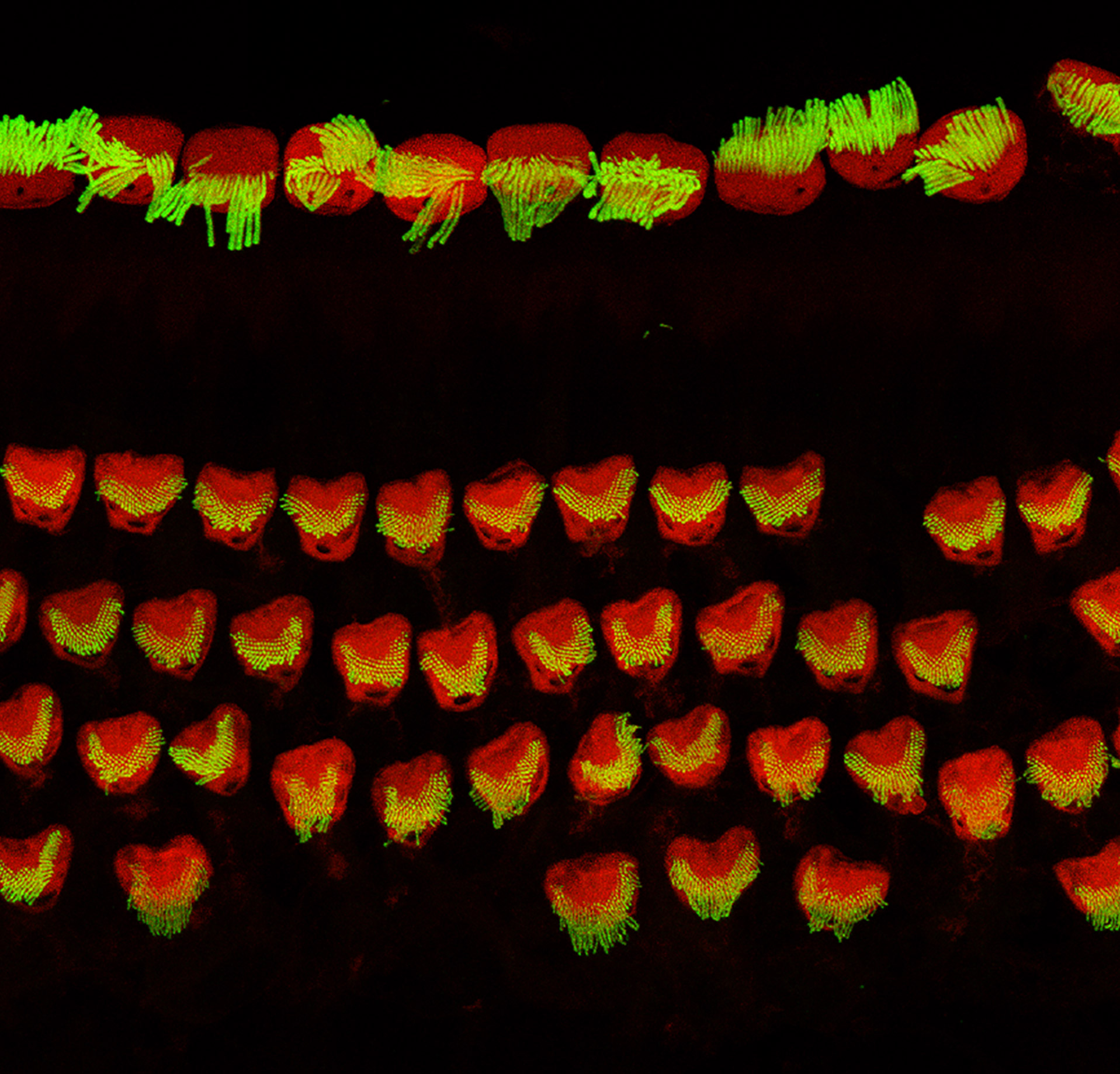
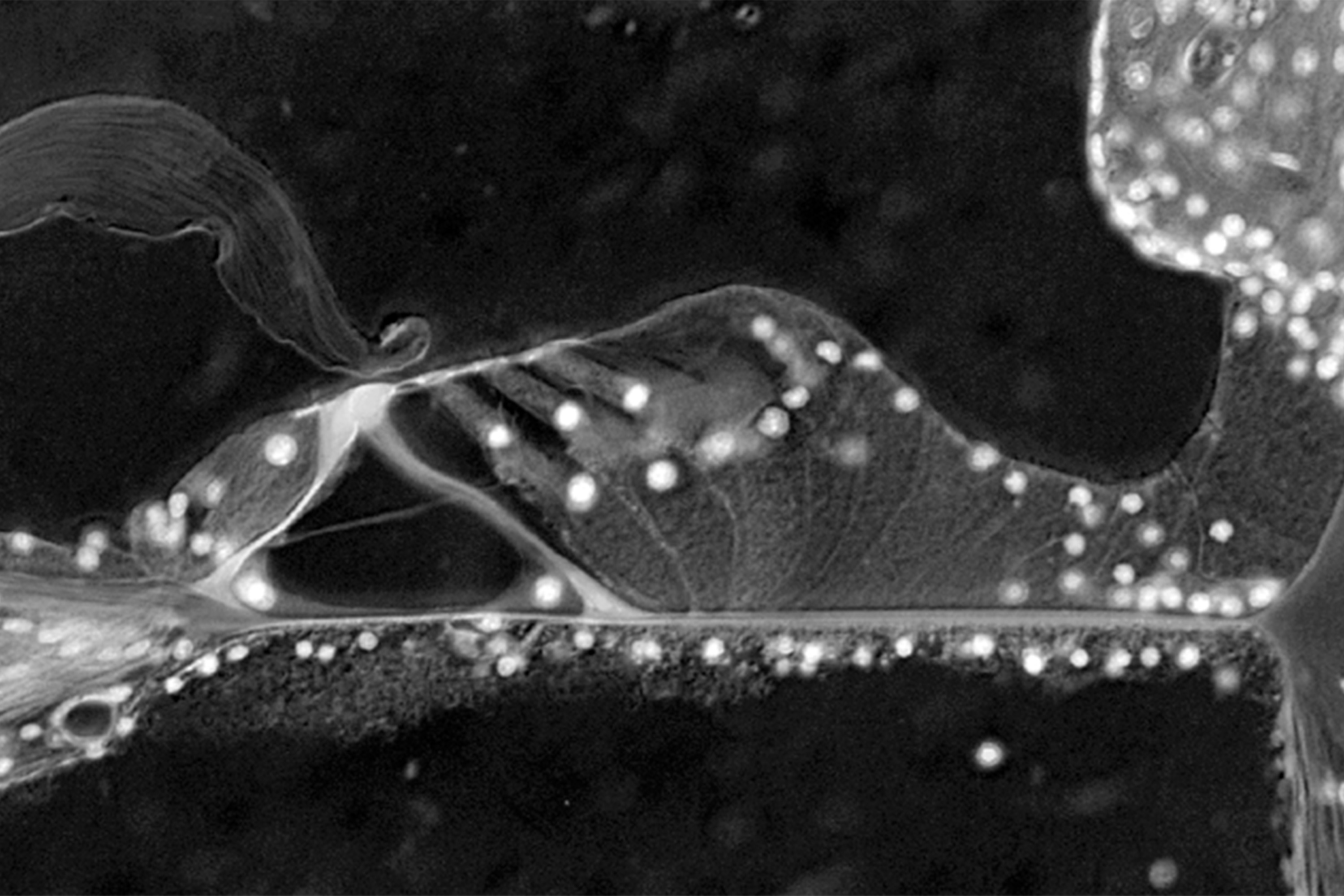
The NIDCD National Human Ear Resource Network provides researchers, scientists, and clinicians a wealth of resources to encourage the use of human temporal bones in scientific research. Below you will find ways in which we consult, collaborate and help interested parties access and utilize human temporal bones in their scientific research.
Tissue Processing
- Full Spectrum of Temporal Bone Procurement, Processing, and Handling
- Standard Processing
- Decalcification
- Embedding (Celloidin, Paraffin, Plastic Resin)
- Sectioning (thick, semi-thin, ultra-thin)
- Cryostat sectioning
- Clearing (small specimens)
- Preparation for microscopy
- Staining
- Antibody validation
- Re-processing unstained/archival sections
- Whole mount dissection and immunolabeling
- Microdissection
- Validation studies (animals vs humans)
Imaging Techniques
- Bright-field Microscopy
- Whole Slides (scanned)
- Confocal Imaging
- Fluorescence Microscopy
- Electron Microscopy (SEM, TEM)
- Differential Interference Contrast (DIC) Microscopy
- Epifluorescence Microscopy
- Digitization of scanned slides
- Non-destructive imaging techniques
- X-Ray
- CT Scan
- MRI Scan
- 3-D Reconstructions
Temporal bone processing protocols
- Soon!