

Help to Further Scientific Research
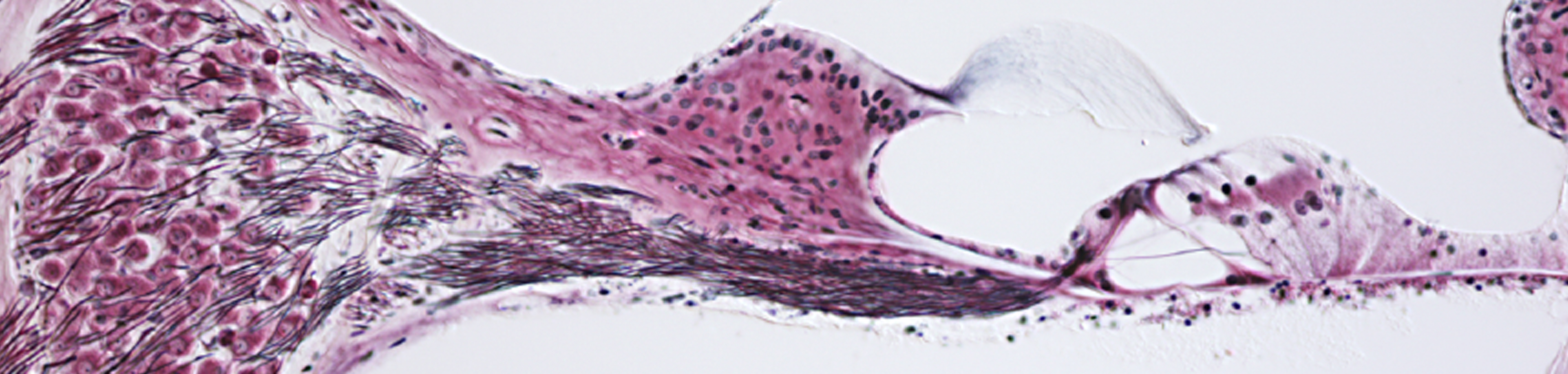
Human temporal bones are an invaluable resource for learning about the pathology and pathophysiology of otologic disorders. The National Hearing and Balance Donor Program coordinates recovery of human temporal bones for research.
Interested in Registering to become a Temporal Bone Donor?
Inside the Ear: Still a Mystery
Millions of people across the globe are affected by hearing loss and other ear problems.
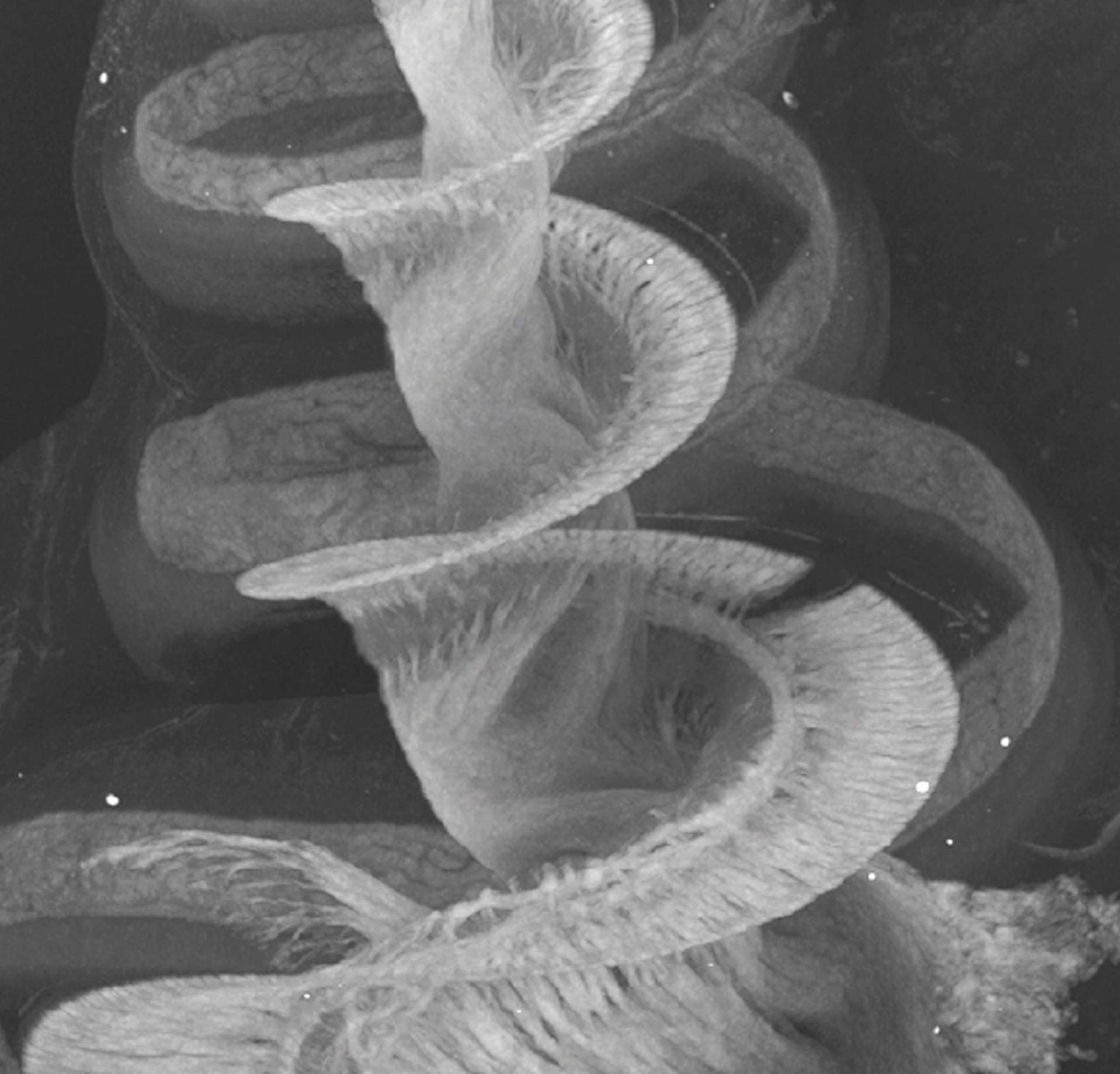
Research into the causes of these problems is difficult because our hearing and balance organs are found deep within the skull, hidden and protected inside the temporal bones. For researchers trying to learn about different ear conditions, it is not easy to examine these hidden organs directly in living people; therefore, studying donated temporal bones after death is one of the best ways to learn about the causes of ear disorders and to devise new treatments and cures.
Hearing or Balance Disorders are More Common Than You Think
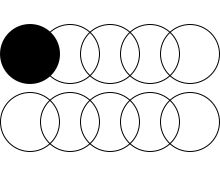
1 in 10 has some hearing loss
One of every 10 Americans has some degree of hearing loss
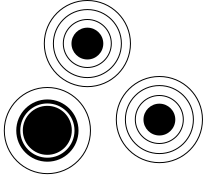
By age 65, this is 1 in 3
By age 65, 1 of every 3 persons experiences some hearing loss. After age 75, this rises to 1 out of every 2 persons.

5,000,000 have dizziness
An estimated 5 million Americans over age 65 have dizziness that significantly interferes with their lives

12,000,000+ with tinnitus
At least 12 million Americans have tinnitus (they hear a ringing, hissing, or buzzing in their ears when there is no external sound).

2-3 out of every 1000 children
About 2-3 out of every 1,000 children in the United States are born deaf or hard-of-hearing. This does not include others who develop hearing problems during childhood.
615,000 diagnosed
An estimated 615,000 individuals have been diagnosed with Ménière’s disease in the United States (symptoms include attacks of dizziness, tinnitus, and hearing loss that recurs and progresses).
1 in 10 has some hearing loss
One of every 10 Americans has some degree of hearing loss
By age 65, this is 1 in 3
By age 65, 1 of every 3 persons experiences some hearing loss. After age 75, this rises to 1 out of every 2 persons.
5,000,000 have dizziness
An estimated 5 million Americans over age 65 have dizziness that significantly interferes with their lives
12,000,000+ with tinnitus
At least 12 million Americans have tinnitus (they hear a ringing, hissing, or buzzing in their ears when there is no external sound).
2-3 out of every 1000 children
About 2-3 out of every 1,000 children in the United States are born deaf or hard-of-hearing. This does not include others who develop hearing problems during childhood.
615,000 diagnosed
An estimated 615,000 individuals have been diagnosed with Ménière’s disease in the United States (symptoms include attacks of dizziness, tinnitus, and hearing loss that recurs and progresses).
Interested in Learning More About Advancements in Human Ear Research?
Why is Temporal Bone Research Important?
Human temporal bones provide an invaluable resource for the study of the pathology and pathophysiology of disorders of hearing, balance, and facial nerve function.